
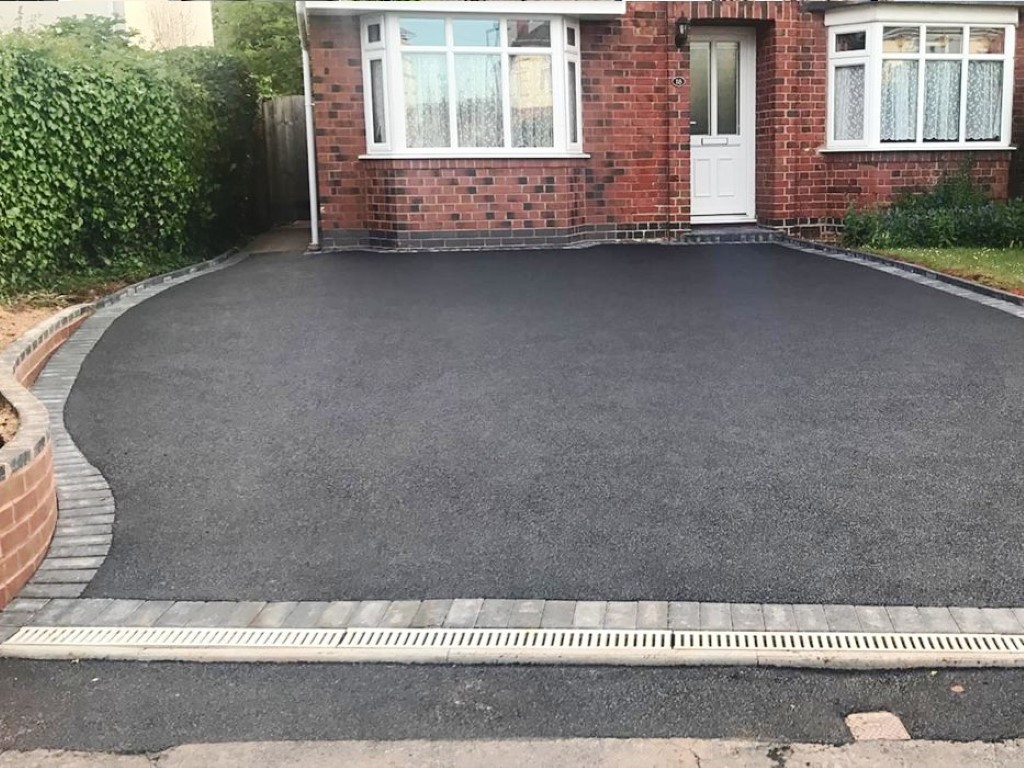
Summer heat creates specific challenges for tarmac driveways in Aylesbury. Understanding how temperature affects your tarmac surface helps you make better decisions about installation timing and ongoing care.
Hot weather makes fresh tarmac softer and more vulnerable to damage. Vehicle tyres can leave permanent marks or indentations when temperatures exceed 25°C. This is particularly problematic during Aylesbury’s warmer months when surface temperatures can reach 40°C or higher.
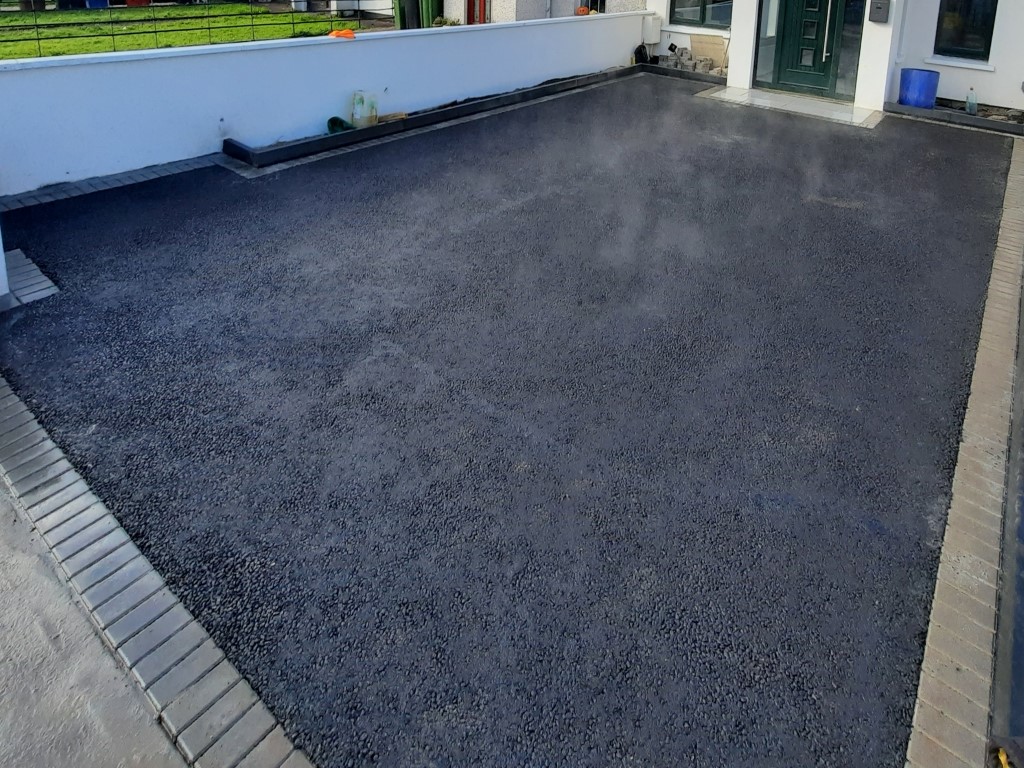
Installation Temperature Requirements
Professional tarmac installation requires specific temperature conditions for optimal results:
- Ambient air temperature should be above 5°C and rising
- Surface temperature of existing base must be adequate for proper bonding
- Avoid installation during extreme heat waves when temperatures exceed 30°C
- Early morning or evening installation often provides better conditions when qualified paving teams assess site suitability
Cost Implications of Temperature Timing
Installation timing significantly affects your project costs. Summer installation may cost 10 to 15% more due to temperature management requirements and material handling challenges.
Contractors often need to work shorter hours during hot weather, extending project timelines. Additional cooling measures and protective equipment increase labour costs. However, avoiding winter installation saves money on frost protection and extended curing times.
Summer Protection and Budgeting
Fresh tarmac needs protection from heavy loads for several weeks after installation. Budget for temporary parking arrangements during the curing period, especially in hot weather.
Consider these additional summer costs:
- Temporary parking solutions for 2 to 4 weeks
- Protective barriers to prevent accidental damage
- Potential re-sealing requirements if surface becomes marked
- Higher water usage for cooling and dust control
Established tarmac surfaces benefit from regular inspection during hot spells. Early detection of softening or marking allows for preventive measures before permanent damage occurs.